
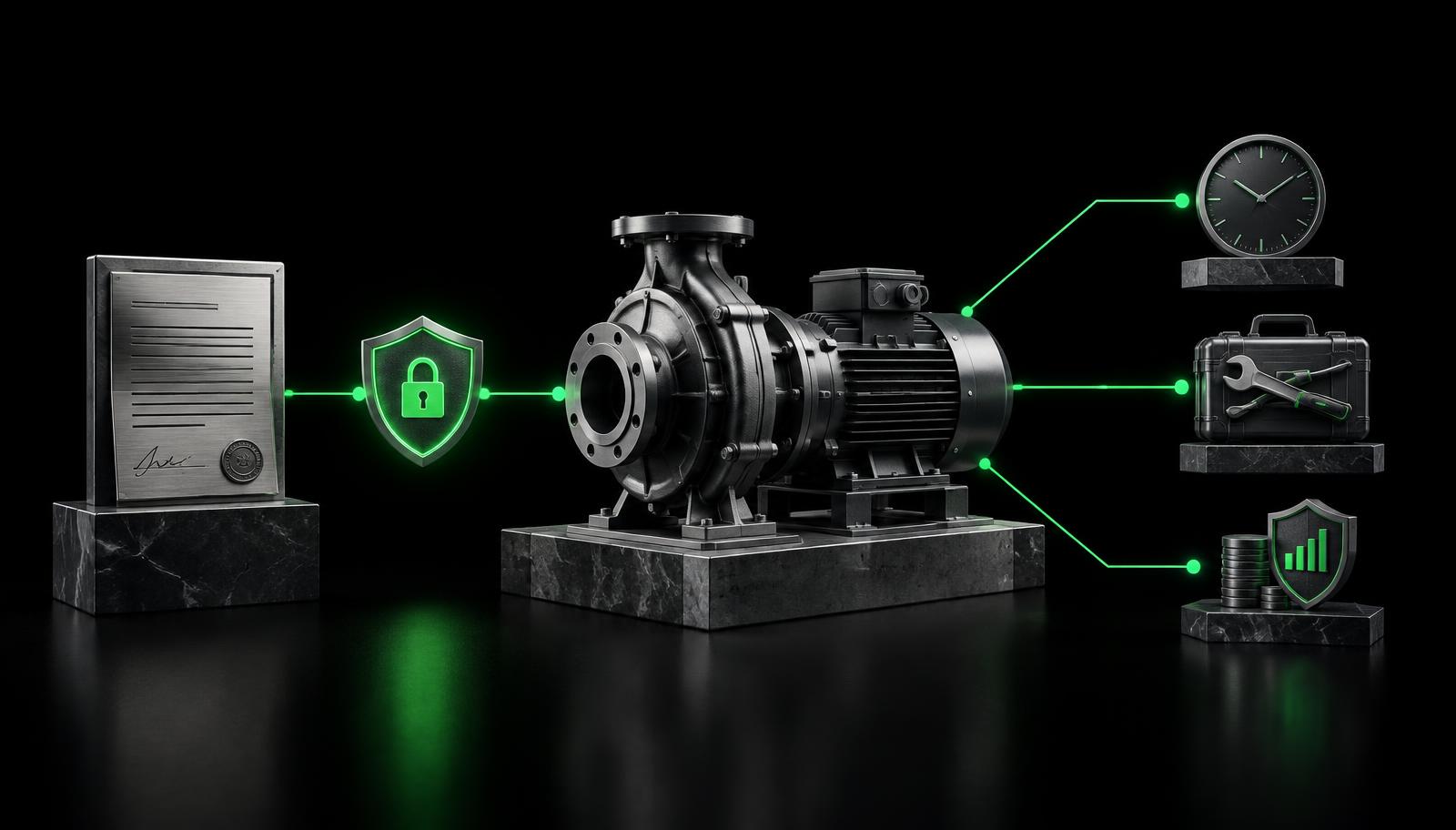
In ServiceNow CSM, a service contract records the commercial promise while an entitlement turns that promise into an operational rule. Together they determine who receives support, for which product or installed asset, through which channel, within what hours and at what service level.
It is 11:40 on a Tuesday night. A case arrives because a filling line has stopped at a bottling plant. The agent needs three answers before taking meaningful action: are we responsible for this customer, how quickly must we respond, and has the customer paid for this service?
In too many organisations, those answers sit in a spreadsheet, a contract PDF or an experienced agent's memory. In a well-designed ServiceNow Customer Service Management implementation, they are resolved through the entitlement model.
What is an entitlement in ServiceNow CSM?
A ServiceNow CSM entitlement is an enforceable support right. It defines the customer, product or installed item covered, valid dates, permitted support channels, business hours and usage limits that apply when service is requested.
This makes entitlement a load-bearing part of CSM for manufacturers, medical-device companies and industrial equipment providers. If the model is wrong, the organisation either delivers service it was not paid for or fails to deliver service the customer bought. Both damage margin and trust.
What is the difference between a service contract and an entitlement?
A contract promises. An entitlement enforces.
A service contract is commercial. It records the agreement, price, term, signature, renewal date and covered services. It is what finance, sales and contract management need.
An entitlement is operational. It expresses the agreement in a form that CSM can evaluate when a case is raised: this customer, for this equipment, through these channels, during these hours, for this volume of service, until this date.
| Capability | Purpose | Example |
|---|---|---|
| Service contract | Records the commercial agreement | Gold maintenance agreement from January to December |
| Entitlement | Defines the enforceable service right | 24×7 phone and chat support with a four-hour response |
| SLA | Measures the timed commitment on live work | Response clock attached to a priority-one case |
ServiceNow's Customer Contracts and Entitlements capability connects the contract lifecycle with entitlements and covered products. The relationship matters because a contract without operational entitlements can lead to ungoverned service, while an entitlement without a commercial parent provides little renewal visibility.
Which ServiceNow records make the entitlement model work?
Five related objects must remain distinct.
| Object | What it represents | Equipment example |
|---|---|---|
| Product | The master definition of what the company sells | 40 kW industrial pump, Model X |
| Sold Product | What a specific customer bought | Twelve Model X pumps sold to one customer |
| Install Base Item | The specific deployed item and its service context | Serial 88421 at the Birmingham plant |
| Service Contract | The commercial agreement for support or maintenance | Gold maintenance agreement |
| Entitlement | The operational support right applied to service work | 24×7 coverage and advanced replacement |
The distinction between Sold Product and Install Base Item is especially important. A customer may buy twelve pumps, but three years later some remain under contract, others are out of warranty, several have moved site and one has been retired. An entitlement connected only to the sale cannot express that operational reality. An entitlement connected to the installed item can.
Install Base Item is also a natural bridge to ServiceNow Field Service Management. The record used to decide whether a machine receives a four-hour response can also give the visiting technician the correct asset and service context.
What information belongs on a ServiceNow entitlement?
- Account: the customer organisation receiving coverage.
- Covered object: the product, asset, sold product, service or install base item to which coverage applies.
- Contract: the commercial agreement from which the right originates.
- Channel: whether the customer may use email, web, phone or chat.
- Valid from and valid to: the period during which the entitlement applies.
- Business hours: the coverage schedule used to interpret timed commitments.
- Units and total units: the service allowance and usage already consumed.
Channel is often overlooked. It is what makes tiered support operational: a bronze customer might receive web support, while a platinum customer receives phone and chat access. Without the field and the process behind it, premium support remains wording in a document.
Usage also needs deliberate design. Incident consumption can be governed against case activity, but hours-based consumption normally requires implementation logic around approved time records. That logic must account for corrections and recalled entries, otherwise customers can appear to consume hours they never used.
How does ServiceNow entitlement matching work?
Entitlement checking is better understood as matching and ranking than as a single lookup. When a case is created, ServiceNow can evaluate plausible entitlements against available case attributes such as account, consumer, product, asset, contract and channel. Where the relevant capabilities are enabled, Sold Product and Install Base Item can add more precise context.
More specific matches should outrank broad ones. A contract and exact installed-item match is generally more meaningful than an account-wide entitlement. This is why complete, reliable case data matters: an entitlement model cannot select the correct service right if the case does not identify the customer, channel or affected product.
How do entitlements connect to SLAs?
Entitlement answers what was promised. The SLA turns the timed part of that promise into a clock on a specific case. An SLA definition contains the policy, including start, pause and stop conditions, duration and schedule. A Task SLA is the live instance that tracks elapsed time, stage and breach status on the case.
A common design creates separate SLA definitions for every account and contract. It works initially but scales poorly as customers, tiers and schedules multiply. A stronger pattern keeps the number of definitions small and lets entitlement data carry the variation. The entitlement's business hours can influence the applicable schedule, while tier or service attributes can drive priority and target selection.
In short, use a small set of durable policies and a rich set of governed data, not hundreds of near-duplicate SLA definitions.
SLA details that commonly cause errors
- Schedule and time zone: coverage must reflect the customer's local service window rather than an assumed instance time zone.
- Pause governance: an unchecked "awaiting customer" state can make compliance look better than the service actually was.
- Overlapping conditions: a state that satisfies both pause and stop logic can prevent the SLA from closing cleanly.
- Missing case context: incomplete account, product or asset data can cause a broader entitlement to win.
What should an enterprise decide before implementation?
The most important design question is simple: what object does the entitlement cover? The answer may be an account, a sold product, a service or an install base item. It must be agreed with commercial, service and data owners because every downstream rule inherits from that decision.
- Define the commercial service products and tiers that can actually be sold.
- Choose the covered object at the right level of specificity.
- Map contract terms into entitlement fields and operational rules.
- Decide how entitlements are created, amended, suspended and renewed.
- Design case data capture so matching receives the fields it needs.
- Model SLA policies around entitlement attributes rather than customer names.
- Test expired coverage, overlapping rights, moved equipment and exhausted units.
How do entitlements protect aftermarket revenue?
Entitlement data places what was sold beside what was delivered. That comparison is commercially useful. A customer consuming an incident block quickly may need a higher service tier. A customer using none of its coverage may be a renewal risk. Uncovered items across the install base represent a service-contract opportunity rather than merely a data-quality issue.
Useful measures include entitlement utilisation by account, cases served without a valid entitlement, install base coverage, unbilled overage and entitlements expiring within the next sixty or ninety days. These reports expose revenue leakage and renewal opportunities that case-volume dashboards cannot show.
Entitlements may not be the most visible part of a CSM programme, but they are where a commercial promise becomes an operational rule. In aftermarket service, that conversion is the business.
Frequently asked questions
What is a service entitlement in ServiceNow?
A service entitlement is the operational right that defines who receives service, what is covered, when coverage applies, which channels are allowed and what usage or service limits apply.
Is an entitlement the same as an SLA?
No. An entitlement establishes the customer's right to service. An SLA measures a timed commitment, such as response or resolution, on a specific case or task.
Can one contract have multiple entitlements?
Yes. One contract may support different rights for products, installed items, service tiers, channels or schedules. The model should reflect what was sold without creating unnecessary duplication.
Should an entitlement cover an account or an installed product?
It depends on the offer. Account-level coverage suits broad support agreements. Equipment businesses often need installed-item coverage so each serialised product can have its own location, warranty, contract status and service history.
How can ServiceNow entitlements prevent free service?
They let CSM check whether the customer, product, channel, date and available allowance match a valid service right before or during case handling. Exceptions can then follow a governed approval, quotation or billable-service path.
Which entitlement reports are most useful?
Start with expiring entitlements, cases without a valid match, utilisation by account, installed items without active coverage and service delivered beyond the contracted allowance.