
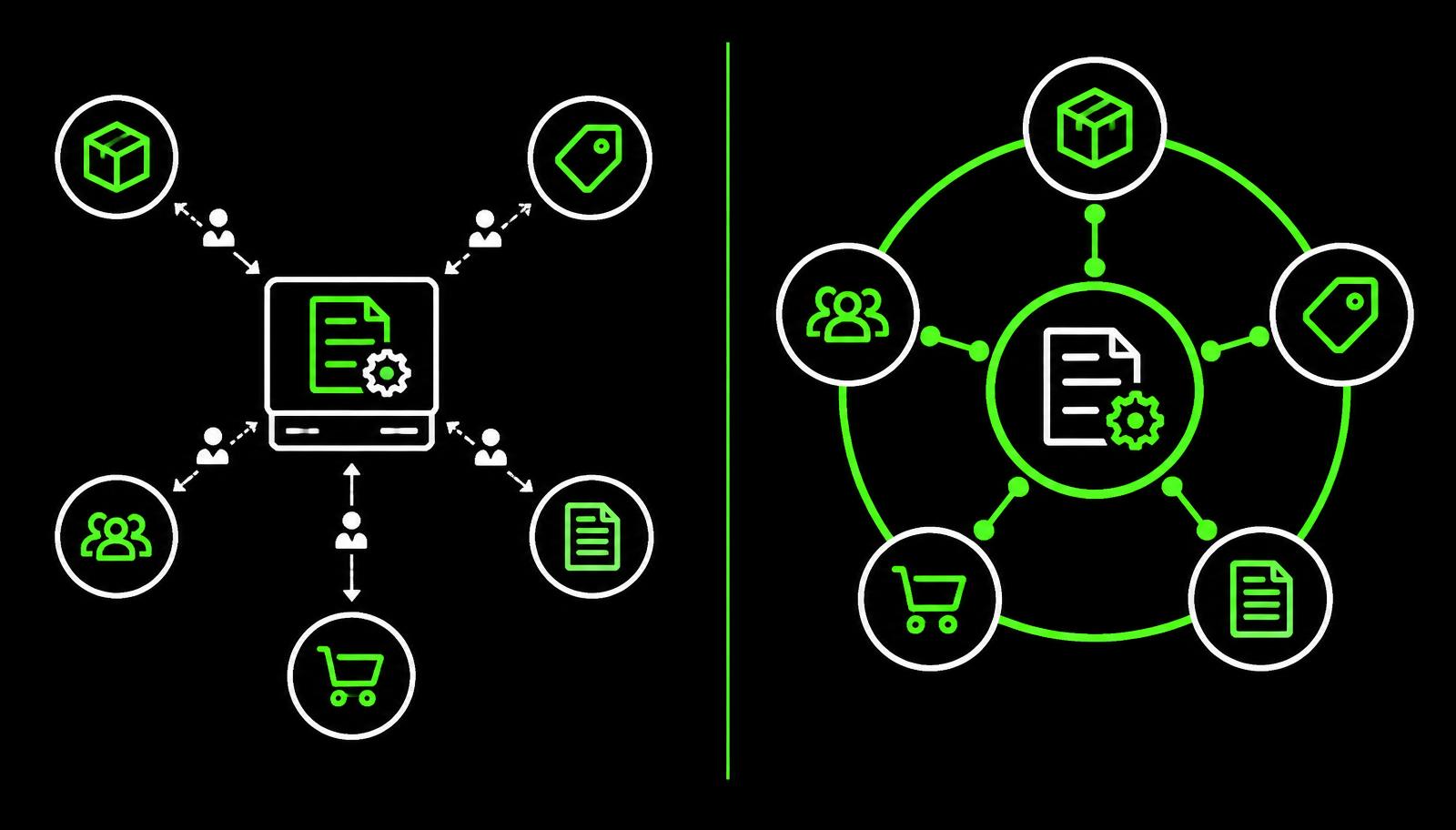
Oracle CPQ rarely fails in a single dramatic moment. It quietly slows the deals that matter most, until the friction of using it starts to shape how your sales team sells.
A deal that slowed down when it should have closed
A UK-based enterprise software company was in the final stretch of a £1.6M deal with a large retail chain. The client wanted a tailored proposal: multi-year subscription pricing, store-level rollouts, and different discount tiers across regions. Nothing unusual for a deal of that size.
But once the changes were pushed into Oracle CPQ, things slowed down. Pricing did not calculate correctly, approvals kept bouncing between teams, and every adjustment needed someone from operations to step in. What should have taken a few hours stretched into nearly a week. The deal did not collapse, but the buyer's confidence visibly dipped.
Beneath the surface
Oracle CPQ was built in an era when pricing was more predictable. Fewer combinations, fewer variables, less need for constant change. Today, pricing is dynamic: subscriptions, usage-based models, bundles, regional pricing, negotiated enterprise deals.
Oracle CPQ handles this complexity the way it always has, by layering on more rules. At first that feels manageable. Over time, it stops being manageable at all.
- Rules begin to overlap and conflict with one another.
- Quote generation slows as more conditions get evaluated on every change.
- A small tweak to pricing logic ripples into scenarios no one mapped.
- Tracing how a final price was actually calculated becomes guesswork.
The underlying issue is simple: everything is tightly connected. Pricing, configuration and approvals all depend on each other, so even small changes carry risk and take time.
It starts to feel like you are working inside a system no one fully understands anymore.
The cost no one tracks
This is where the conversation moves beyond "system frustration" and starts shaping commercial outcomes.
Deals take longer to close
When the team cannot generate quotes quickly, everything else slows down. Even when the customer is ready, the process is not. In competitive deals, that delay alone is often enough to lose momentum.
Opportunities slip away quietly
Buyers expect speed. If one vendor responds in 24 hours and another takes several days, the message is not just about efficiency, it is about reliability. Most deals are not lost loudly; they are lost quietly, because someone else moved faster.
Sales teams start working around the system
When the tool becomes hard to trust, people adapt. Spreadsheets come back into play, manual calculations creep in, and reps double-check every number before sending a quote. Instead of accelerating sales, the system becomes something to route around.
Costs keep rising in the background
Maintaining Oracle CPQ is never a one-time effort. Rules need managing and updating, every change has to be tested carefully, and specialised resources stay on the critical path. As the business grows, the maintenance effort grows with it, but the system rarely becomes easier to use.
Built for yesterday
These challenges are not isolated implementation problems. They come from how the platform itself is designed.
- Everything is interconnected. Configuration, pricing and approvals are tightly coupled, which makes flexibility hard and side effects common.
- More complexity means more rules. Every new scenario adds logic on top of logic, until the system becomes harder to manage than the business it supports.
- Dependence on technical teams. Business users cannot make most changes on their own; even small updates need someone with deep platform knowledge.
- Not designed for today's pricing models. Usage-based and hybrid commercial models do not fit neatly into older structures, so teams force new requirements into a frame that was never built for them.
A shift in thinking
Newer CPQ platforms take a different path. Instead of binding everything into one tightly connected system, they design for flexibility from the start. Pricing, configuration and workflow are kept distinct enough that changes in one do not silently break another.
The practical effect is what sales actually feels. Quotes that used to take minutes, or longer, generate almost instantly. Business teams can update rules without queueing behind engineering. And modern platforms are beginning to assist the work itself, not in abstract ways but in concrete ones: suggesting pricing based on past deals, flagging risky configurations early, and helping reps move with more confidence.
The goal of modern CPQ is not just to produce quotes. It is to remove friction from the sales process.
Where ServiceNow CPQ on Logik.ai changes the picture
ServiceNow CPQ powered by Logik.ai is built on the principles Oracle CPQ was never designed for: modular pricing, configuration and approvals; an explainable engine that quotes in seconds; native AI for guided selling and recommendations; and first-class support for subscriptions, usage-based pricing and hybrid commercial models. Because it runs on ServiceNow, quote-to-cash, service and fulfilment share the same workflow fabric, so the integration handoffs that quietly slow Oracle CPQ deals largely disappear.